
Hidden Ways Colored Contacts Can Damage Your Eyes (Eye Doctor Warning 2025)
The colored eye accessories market is booming, projected to reach $6.3 billion by 2029 . But can colored contacts damage your eyes? Unfortunately, they absolutely can when not used properly.
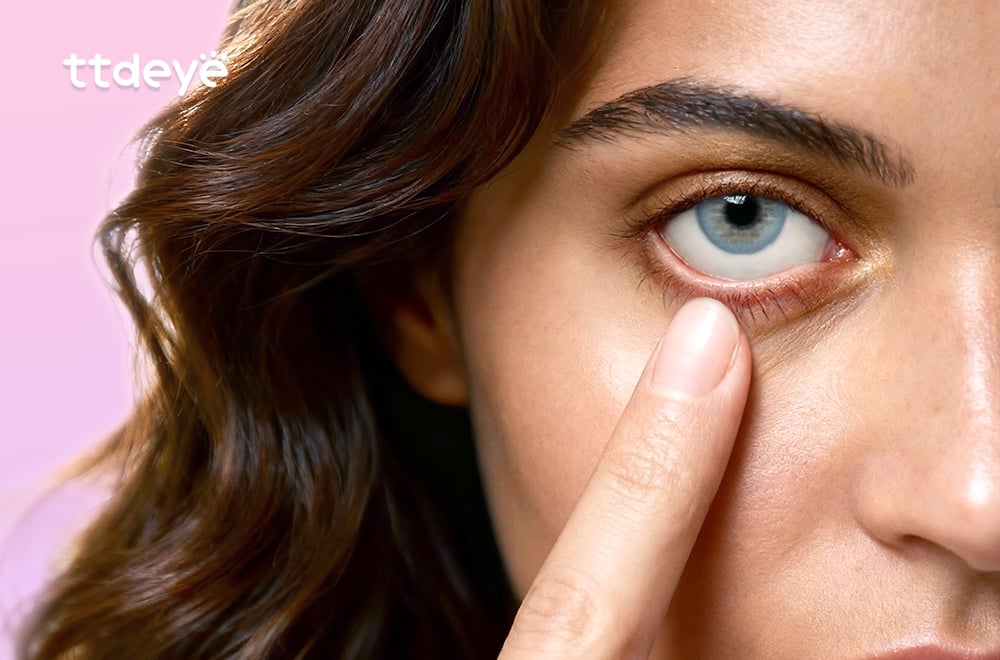
I've seen firsthand how these trendy accessories turn into eye health nightmares. In fact, 60% of fake cosmetic eye lenses were found to contain microbial contamination , and approximately 20% of contact-related infections lead to permanent eye damage . Additionally, the Centers for Disease Control and Prevention reports that improper contact lens use contributes to about 1 million eye-related clinical visits annually .
Are color contacts safe? Are non-prescription colored contacts safe? These are questions I hear daily in my practice. The truth is, while prescription colored contacts can be worn safely with proper care, non-prescription options pose serious risks. The FDA classifies all contact lenses—including colored ones—as medical devices , making it illegal to sell them without a prescription in many regions . Still, counterfeit lenses continue to flood both online and physical stores , potentially causing eye irritation, infections, and even corneal abrasions .
In this comprehensive guide, I'll reveal 11 hidden ways colored contacts can damage your eyes and provide professional advice to protect your vision.
Wearing Non-Prescription Colored Contacts
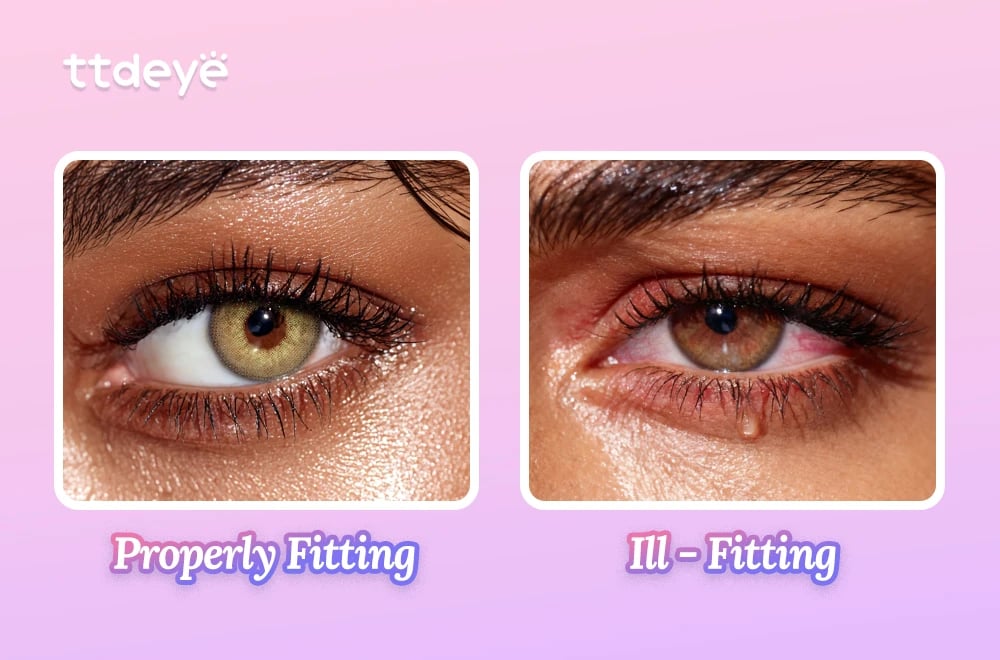
Image Source: TTDeye
Wearing Non-Prescription Colored Contacts
Non-prescription colored contacts have flooded the market despite being both illegal and dangerous. The appeal of changing eye color without visiting an eye doctor comes with serious consequences that many users don't realize until it's too late.
What is the issue with non-prescription colored contacts?
First of all, the U.S. Food and Drug Administration classifies all contact lenses—including decorative ones—as medical devices, not cosmetic products. This means selling contacts without a prescription is illegal in the United States. Nevertheless, enforcement remains limited, making these dangerous products easily accessible.
The misleading "one-size-fits-all" claim is particularly hazardous. Contact lenses must be properly fitted to each individual eye's unique curvature and size. Furthermore, non-prescription lenses often come from unregulated manufacturers using inferior materials, sometimes containing toxic substances like lead.
How non-prescription colored contacts can damage your eyes
The physical dangers are substantial and potentially permanent:
- Corneal abrasions and ulcers: Poorly fitting lenses can scratch the cornea (the eye's clear covering). These scratches can develop into painful ulcers that, once healed, may permanently scar and affect vision.
- Serious infections: Individuals wearing colored contacts are 16 times more likely to develop keratitis (a painful corneal infection) than those wearing regular prescription lenses. According to FDA analysis, approximately 60% of colored contacts purchased online without a prescription contain bacteria.
- Vision loss and blindness: Eye infections from non-prescription lenses can develop within hours and sometimes cause irreversible damage. In severe cases, corneal transplants become necessary, yet some patients remain permanently blind despite treatment.
- Reduced oxygen flow: Colored contacts are typically thicker due to added pigments, allowing less oxygen to reach the cornea. This oxygen deprivation can lead to hypoxia and abnormal blood vessel growth in the eye.
Eye doctor advice on non-prescription colored contacts
Ophthalmologists recommend taking these essential precautions:
Only purchase contacts after getting properly fitted by an eye care professional. Even if you don't need vision correction, you still need a prescription specifically for your eyes.
Buy lenses exclusively from retailers requiring a valid prescription verification with your doctor. Avoid unauthorized sources like costume shops, beauty supply stores, flea markets, or questionable online vendors.
Remove your lenses and seek immediate medical attention if you experience redness, swelling, discharge, or any discomfort. Delaying treatment significantly increases the risk of permanent damage.
Remember, no colored contact is worth permanently damaging your vision.
Using Expired or Old Colored Contacts
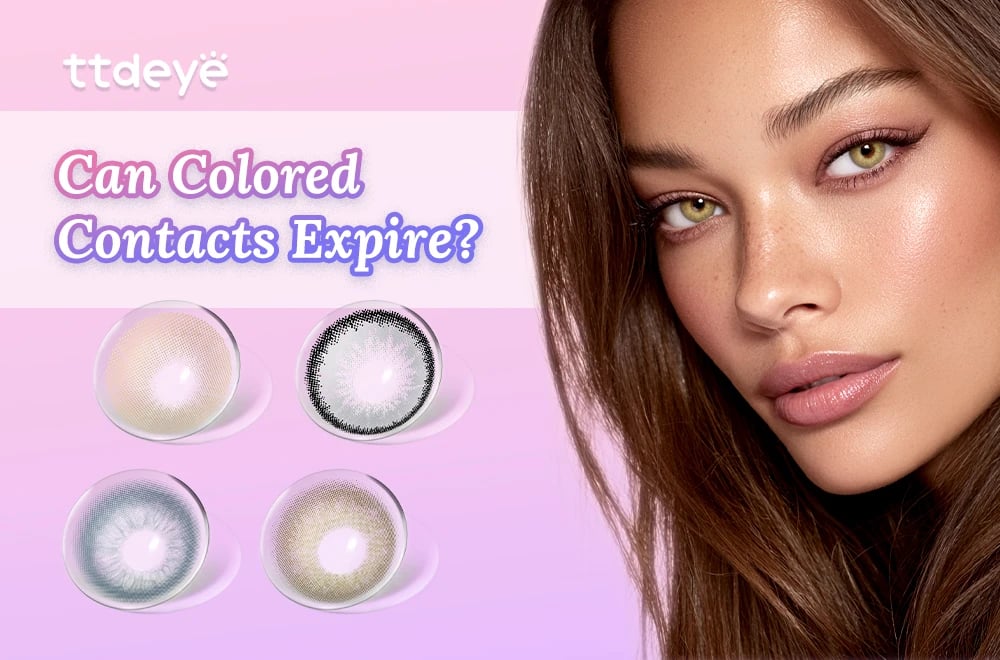
Image Source: TTDeye
Using Expired or Old Colored Contacts
Many colored contact lens users overlook expiration dates, assuming sealed packages remain safe indefinitely. However, these medical devices have expiration dates for critical safety reasons.
What is the issue with expired colored contacts?
Contact lenses, regardless of being opened or sealed, expire for several important reasons. Over time, the lens material breaks down and becomes brittle. Moreover, the sterile solution inside sealed packages degrades, potentially becoming a breeding ground for harmful microorganisms.
The expiration date printed on colored contact packages (typically formatted as month/year) serves as a crucial safety guideline. For instance, "06/23" indicates the lenses should not be used after June 2023. Using lenses after this date significantly increases health risks, essentially turning a fashion accessory into a potential eye hazard.
How expired colored contacts can damage your eyes
Wearing expired colored contacts can harm your eyes in multiple ways:
- Infection risk: Expired lenses harbor bacteria, fungi, and other harmful microorganisms that can cause serious eye infections including conjunctivitis, keratitis, and corneal ulcers. These conditions often require medical intervention and can lead to permanent vision damage.
- Material degradation: As contact lenses age, they lose permeability, reducing oxygen flow to your cornea. This oxygen deprivation can trigger inflammation and abnormal blood vessel growth in the eye.
- Physical discomfort: Degraded lenses cause irritation, burning sensations, dryness, and redness. They also fail to retain moisture properly, exacerbating dry eye symptoms.
- Vision problems: Expired lenses may not fit correctly anymore or provide proper vision correction. Additionally, the coloring can fade or become uneven, potentially causing headaches and eye strain.
In severe cases, infections from expired contacts can develop within hours. Bacterial keratitis, particularly when affecting the center of the cornea, can lead to scarring, irregular astigmatism, and permanent vision loss—sometimes requiring corneal transplantation.
Eye doctor advice on expired colored contacts
Eye care professionals unanimously advise against wearing expired colored contacts under any circumstances. As one ophthalmologist bluntly states: "Wearing expired contacts is bad. Full stop".
If you've accidentally worn expired lenses, remove them immediately at the first sign of discomfort—including burning, stinging, or redness. Apply preservative-free artificial tears and contact your eye doctor promptly.
Schedule annual comprehensive eye exams to ensure your prescription remains current and your eyes stay healthy. Remember that no matter how expensive or beautiful your colored contacts are, they're never worth risking your vision.
Improper Lens Hygiene and Storage
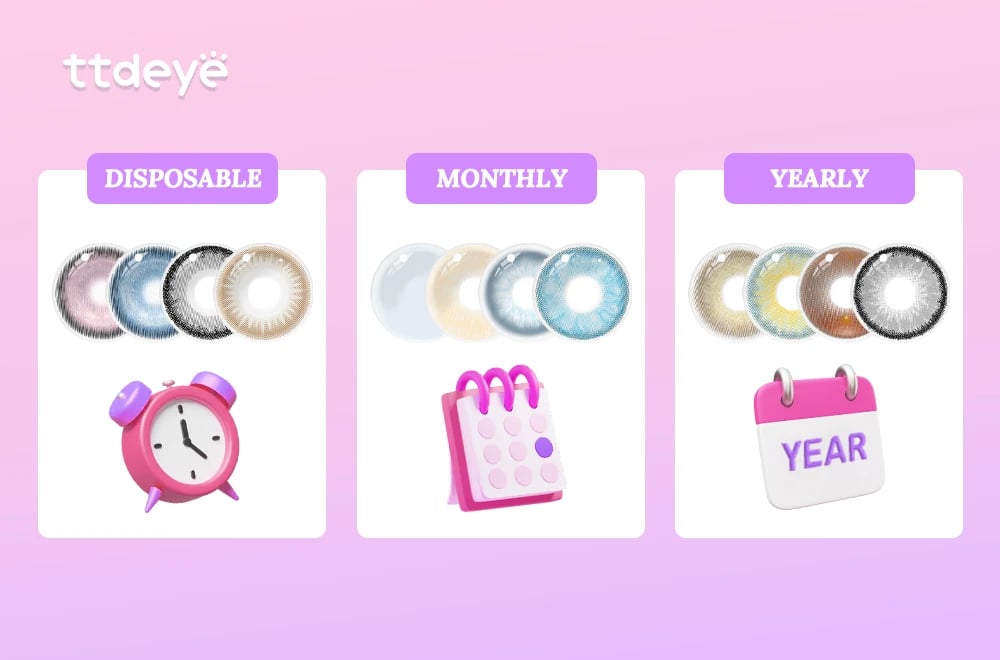
Image Source: TTDeye
Improper Lens Hygiene and Storage
Proper lens hygiene remains one of the most overlooked aspects of colored contact lens safety, yet it's arguably the most crucial for preventing eye damage.
What is the issue with poor hygiene and storage?
Remarkably, approximately 99% of all contact lens wearers report at least one contact lens hygiene risk behavior. Most users underestimate how easily bacteria can transfer from hands to lenses and subsequently to eyes.
The most prevalent hygiene mistakes include:
- Storing lenses in tap water instead of fresh solution
- "Topping off" old solution instead of using fresh solution daily
- Failing to replace contact lens cases every three months
- Showering or swimming while wearing contacts
- Handling lenses without washing hands
Unfortunately, colored contacts create additional risks because many users view them as fashion accessories rather than medical devices. This misconception often leads to casual handling and inadequate cleaning—especially among occasional wearers.
How poor hygiene can damage your eyes
Poor hygiene practices directly contribute to serious eye complications. Keratitis (corneal infection) stands as the most common culprit, primarily caused by improper lens care.
When colored contacts are exposed to water—whether from showering, swimming, or rinsing—microorganisms living in water transfer to both the lenses and storage case. Surprisingly, even household tap water contains potentially harmful microbes despite being safe for drinking.
Infrequent replacement of contact lens cases represents another significant risk factor. Studies link this practice to serious eye infections, as cases gradually accumulate biofilm—a protective layer where bacteria thrive. Equally dangerous is "topping off" solution, which substantially reduces the disinfection effectiveness.
Eye doctor advice on lens hygiene
Eye care professionals consistently recommend these essential practices:
First, always wash hands thoroughly with soap and water before handling lenses. Second, clean colored contacts daily using only appropriate contact lens solutions—never water or saliva. Third, mechanically rub lenses with solution in your palm to break down protein deposits.
Fourth, replace contact lens cases at least every three months. Fifth, never store lenses in water under any circumstance. Sixth, never reuse or "top off" old solution with fresh solution.
Finally, infections caused by poorly maintained contacts can be painful, extremely difficult to treat, and potentially sight-threatening. Consequently, immediate removal of lenses and professional consultation is necessary at the first sign of eye irritation, redness, or discomfort.
Sleeping in Colored Contacts
Even brief naps while wearing colored contacts can potentially lead to serious eye complications. Doctors have actually termed this practice "contact lens abuse," highlighting its severity as a risk factor.
What is the issue with sleeping in colored contacts?
Your cornea obtains oxygen differently than most body tissues. Unlike other areas, it lacks blood vessels and instead receives oxygen directly from the air. Primarily, this becomes problematic during sleep because:
- When you close your eyes wearing contacts, two barriers block oxygen flow—your eyelid and the lens
- This creates a dangerous oxygen-deprived environment
- The colorant in colored contacts adds yet another layer that restricts oxygen transmission.
- No colored contacts are designed or approved for overnight wear.
Throughout the night, your cornea essentially suffocates without adequate oxygen supply. This oxygen starvation is particularly concerning with colored lenses since they're typically thicker than regular contacts due to their added pigmentation.
How sleeping in lenses can damage your eyes
The consequences of overnight lens wear range from uncomfortable to sight-threatening:
Corneal hypoxia (oxygen deprivation) causes swelling and forms "endothelial microcysts" that eye doctors can detect under magnification. Without prompt intervention, this condition can escalate into:
- Corneal neovascularization—abnormal blood vessels invade the cornea, potentially causing permanent vision loss
- Corneal edema—reduced oxygen cripples cells regulating corneal fluid, leading to dangerous swelling
- Microbial keratitis—infection that can develop within hours
- Corneal ulcers—painful open sores on the cornea's surface
Eye doctors report that approximately nine out of ten emergency calls for serious eye infections involve patients who slept in their contact lenses. In the worst cases, these complications can progress to permanent blindness.
Eye doctor advice on overnight lens use
Ophthalmologists consistently emphasize these non-negotiable safety guidelines:
Remove colored contacts before sleeping, swimming, or participating in water activities. The risk of infection increases dramatically during sleep, and these infections are often extremely difficult to treat.
If you experience persistent redness, sudden blurred vision, pain, or unusual discharge after sleeping in contacts, seek immediate medical attention. Even a few hours' delay can worsen conditions significantly.
Should you find yourself unable to remember to remove lenses consistently, consider discontinuing contact lens use altogether. As one specialist plainly states: "Your sight is more important than avoiding inconveniences".
Wearing Ill-Fitting Colored Contacts
Contact lenses require precise fitting—contrary to popular belief, no "one-size-fits-all" option exists for eye accessories. Given these points, every contact lens must match your specific eye dimensions.
What is the issue with ill-fitting colored contacts?
Every eye has unique characteristics in size, curvature, and overall shape. Contact lenses purchased without professional measurement often don't properly match these individual specifications. Notably, colored contacts typically have thicker, more rigid construction with less breathability, making proper fit even more critical.
The FDA classifies all contact lenses as medical devices requiring proper fitting by an eye care professional. Henceforth, this regulation exists specifically because ill-fitting lenses pose serious health risks. On one hand, lenses that are too small slide around excessively, whereas lenses too large create uncomfortable pressure and limit tear flow on the cornea.
How ill-fitting lenses can damage your eyes
Ill-fitting colored contacts can cause several serious complications:
- Corneal abrasions and scratches - Poorly fitted lenses can scratch the outer layer of your eye, creating painful sores and potential entry points for infection.
- Corneal ulcers - These appear as white dots on the colored part of the eye and may leave permanent scarring after healing.
- Vision impairment - Opaque tints in poorly fitted contacts can partially block vision, primarily in low-light settings.
- Limited oxygen - Ill-fitting lenses restrict oxygen flow to your cornea, leading to swelling, irritation, and potential long-term damage.
Indeed, some users experience symptoms within hours—as one woman reported: "extreme pain in both eyes" just 10 hours after wearing ill-fitted lenses that "stuck to my eye like a suction cup".
Eye doctor advice on proper lens fitting
To be sure of safety, always consult an ophthalmologist or optometrist who will:
Measure your specific eye curvature and diameter to determine the appropriate base curve and lens size. This tailored approach improves comfort and supports healthy vision by ensuring sufficient oxygen circulation.
Remove contacts immediately if you experience redness, swelling, excessive discharge, pain or discomfort. Proper fitting guarantees adequate oxygen flow and maintains proper lens alignment.
Obviously, although colored contacts enhance appearance, no look is worth risking permanent vision damage. As professionals repeatedly emphasize: your vision is too important to gamble with.
Using Unapproved or Counterfeit Lenses
Federal officials have been working to seize counterfeit contact lenses through an initiative called "Operation Double Vision," which has already confiscated more than 20,000 pairs of counterfeit and decorative lenses. This flourishing black market for colored contacts poses substantial risks to unsuspecting consumers.
What is the issue with counterfeit colored contacts?
Counterfeit colored contacts typically masquerade as trendy cosmetic lenses available through unconventional channels. First and foremost, these lenses circumvent FDA regulations that classify all contact lenses as medical devices requiring prescriptions.
Most troubling is their manufacturing process—unlicensed manufacturers often use cheap, inferior plastic containing toxic materials such as lead, which is commonly used in lens coloring. This lead can be absorbed through the eyes directly into the bloodstream. Plus, these counterfeit products frequently contain high bacteria levels from unsanitary packaging and storage conditions.
How fake lenses can damage your eyes
The health consequences of wearing counterfeit lenses are severe and sometimes permanent:
- Toxic chemicals absorption: Harmful substances in lens dyes can leach into eye tissue and enter the bloodstream
- Severe infections: A study found individuals wearing colored contacts were 16 times more likely to develop keratitis than those wearing regular contact lenses
- Corneal ulcers and abrasions: These can lead to scarring, permanent vision reduction, or complete vision loss
- Secondary conditions: Ongoing problems from counterfeit lenses may trigger vision-limiting diseases including cataracts and secondary glaucoma
In extreme cases, bacterial infections develop extremely rapidly—sometimes causing ulcers or blindness within as little as 24 hours if not promptly diagnosed and treated.
Eye doctor advice on buying safe lenses
Ophthalmologists unanimously recommend these safety measures:
Schedule an appointment with an ophthalmologist or optometrist who can properly measure and fit your eyes before purchasing any colored contacts. Hence, even for cosmetic purposes without vision correction, you still need a valid prescription.
Purchase lenses exclusively from vendors requiring prescription verification. Avoid unauthorized sources such as costume shops, beauty salons, flea markets, or questionable online retailers.
Remember that legitimate colored contacts must include the brand name, lens measurements, and an expiration date on the prescription. Ultimately, if a retailer doesn't ask for your prescription, they're violating federal law and potentially selling dangerous products.
Ignoring Signs of Eye Irritation
Image Source: TTDeye
Ignoring Signs of Eye Irritation
Many contact lens wearers mistakenly dismiss early warning signs of eye problems, assuming minor discomfort will resolve without intervention. This dangerous misconception often leads to serious complications that could have been prevented with prompt attention.
What is the issue with ignoring eye irritation?
Eye irritation serves as your body's crucial warning system, signaling potential problems before they become severe. Unfortunately, approximately 20% of contact-related infections lead to permanent damage, primarily because users ignore initial symptoms.
Most colored contact wearers don't realize that seemingly minor irritation can rapidly escalate into serious conditions. Initially mild discomfort can mask developing infections that, following a brief incubation period, suddenly intensify. Ordinarily, these early warning signs provide a critical window for intervention before permanent damage occurs.
How untreated irritation can damage your eyes
Untreated eye irritation can progress to severe complications including:
- Corneal abrasions and ulcers - These may appear as white dots on the iris (colored part of your eye) and can lead to permanent scarring
- Microbial keratitis - A serious infection that can rapidly progress to blindness or necessitate corneal transplantation in severe cases
- Secondary complications - Ongoing problems from untreated infections can trigger vision-limiting diseases including cataracts and secondary glaucoma
As a matter of fact, infections from colored contacts can develop within hours, sometimes causing irreversible damage if treatment is delayed. Even bacteria normally harmless elsewhere can become dangerous when trapped beneath a contact lens against your eye's surface.
Eye doctor advice on recognizing symptoms
Ophthalmologists unanimously advise removing contacts immediately upon experiencing any of these symptoms:
- Redness or irritation in your eyes
- Pain that persists after removing lenses
- Light sensitivity or sudden blurry vision
- Excessive tearing or discharge
Evidently, seeking medical attention without delay provides the best chance of preventing permanent damage. Ophthalmologists emphasize that no fashion statement is worth risking your vision - if symptoms appear, remove colored contacts immediately and consult an eye care professional.
Remember that proper action during early warning signs can mean the difference between complete recovery and lifelong visual impairment.
Sharing Colored Contacts with Others
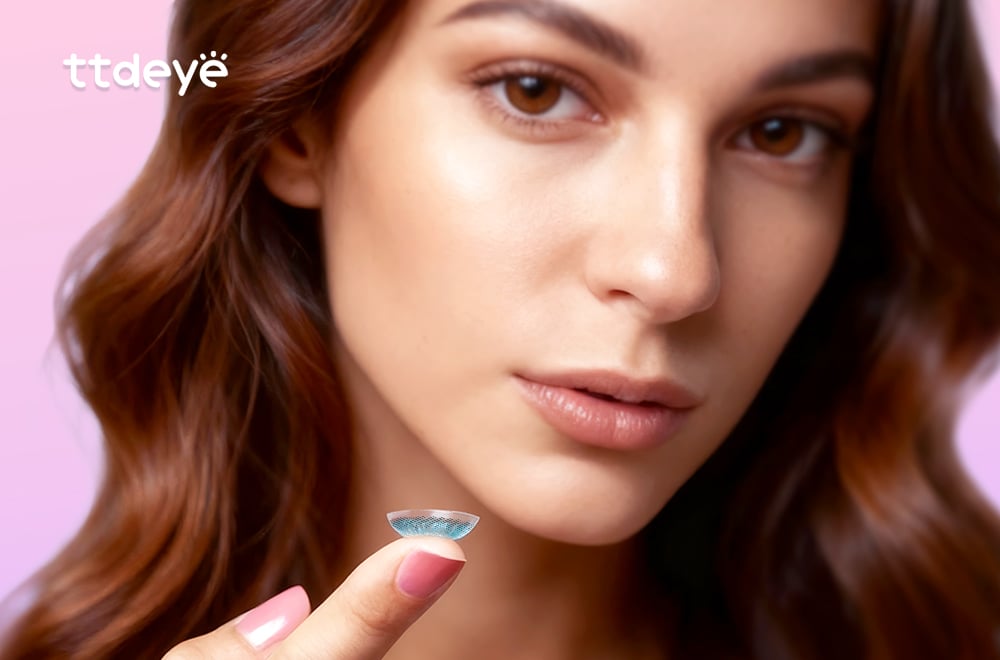
Image Source: TTDeye
Sharing Colored Contacts with Others
The temptation to let a friend try your fashionable colored contacts might seem harmless, yet this casual exchange represents one of the riskiest behaviors among lens wearers.
What is the issue with sharing colored contacts?
Contact lenses are medical devices designed for individual use only. Once worn, these lenses collect proteins, lipids, and microorganisms from your eyes. Furthermore, colored contacts are often marketed as fashion accessories, which undermines their medical nature and encourages inappropriate sharing among friends.
Unlike clothing or other accessories, contact lenses make direct contact with one of the most vulnerable tissues in your body. To emphasize, even close relationships don't diminish the health risks—the Florida Department of Health explicitly warns against sharing contact lenses, especially cosmetic ones.
How sharing lenses can damage your eyes
Sharing colored contacts dramatically increases your risk of developing serious eye conditions:
- Bacterial infections: Lenses can transfer harmful bacteria directly to your cornea, where they multiply rapidly
- Keratitis: This painful eye inflammation accounts for one million doctor and hospital visits annually, costing approximately $175 million to the U.S. health sector.
- Corneal ulcers: These open sores may require sight-saving corneal transplants if not treated promptly.
- Viral transmission: Including herpes simplex virus, which can cause recurring, difficult-to-treat infections
Additionally, eye anatomy varies considerably from person to person. A contact lens fitted for someone else might cause irritation, blurred vision, headaches, and eye strain—even if worn only briefly.
Eye doctor advice on personal lens use
The American Academy of Ophthalmology and the American Academy of Optometry firmly state that colored contacts should never be shared with others. Likewise, all professional eye organizations provide these non-negotiable recommendations:
- Treat colored contacts as personal medical devices, not shareable cosmetic accessories
- Never borrow someone else's lenses, even "just once" for a costume or special event
- Remember that proper contact lens care requires consistent, dedicated hygiene practices.
- Always obtain contacts from legitimate sources requiring valid prescriptions
Irrespective of how trustworthy your friends are, sharing contact lenses crosses a safety boundary that no eye doctor would ever endorse.
Wearing Colored Contacts Too Long
Overlooking wear duration limits for colored contacts presents serious risks. Merely knowing these lenses must be removed eventually isn't enough—precise timing matters tremendously.
What is the issue with extended wear?
Most colored contacts are designed for only 8-12 hours of daily wear. These lenses contain additional colorants that reduce oxygen permeability compared to regular contacts. As a result, extended wear creates an oxygen-deprived environment for your cornea.
Different brands specify varying wear durations based on their materials and design. Unfortunately, many users treat these recommendations as suggestions rather than medical directives.
How overwearing lenses can damage your eyes
Exceeding the recommended wearing time can lead to:
- Infections from bacteria trapped between the lens and cornea
- Corneal ulcers requiring urgent medical intervention
- Reduced oxygen supply causing inflammation
- Potentially permanent vision damage
The damage often builds progressively—what begins as mild discomfort from overwear can escalate into conditions requiring professional treatment.
Eye doctor advice on wear duration
Ophthalmologists consistently emphasize adhering strictly to recommended wearing schedules. Replace lenses according to the prescribed timeline—some may last up to a year, others much less.
Remove contacts immediately upon experiencing any discomfort, redness, irritation, or vision changes. Never prioritize convenience over eye health by wearing lenses beyond their intended duration. Simply put, no temporary visual enhancement justifies permanent damage to your vision.
Using Tap Water or Saliva to Clean Lenses
One alarming practice among colored contact lens wearers is using tap water or saliva to clean or moisten lenses when solution isn't readily available.
What is the issue with using tap water or saliva?
Tap water, despite being safe for drinking, contains microorganisms like Acanthamoeba, a microscopic amoeba that can adhere to lenses. Similarly, saliva is far from sterile—it harbors numerous bacteria, fungi, and viruses. Your mouth provides an ideal dark, moist environment for bacterial growth. Primarily, these substances lack the disinfecting properties needed to properly clean colored contacts.
How improper cleaning can damage your eyes
Acanthamoeba can cause keratitis, a severe infection of the cornea where contact lenses sit. This condition is extremely painful, difficult to treat, and complications often lead to permanent vision loss. Ultimately, improper cleaning methods have been linked with potentially blinding conditions among soft lens wearers. Infections from these practices can develop rapidly, sometimes causing corneal ulcers within hours.
Eye doctor advice on cleaning solutions
Ophthalmologists universally recommend:
- Only use sterile contact lens solutions for cleaning and storing lenses.
- Never rinse lenses with tap water, homemade solutions, or saliva under any circumstances.
- Consider using peroxide cleaners as they effectively prevent Acanthamoeba infections.
Remember that no cleaning shortcut is worth risking your eyesight.
Skipping Regular Eye Exams
First and foremost, most colored contact users underestimate the importance of professional eye evaluations, viewing them as unnecessary if their vision seems fine.
What is the issue with skipping eye exams?
Regular eye examinations are crucial for colored contact wearers, not just for prescription accuracy but for monitoring overall eye health. In reality, 11 million Americans over age 12 need vision correction without realizing it. Beyond that, comprehensive eye exams detect diseases in early stages when treatment is most effective. For colored contact wearers specifically, these checkups allow professionals to identify irritation or infection signs before they become serious.
How lack of checkups can damage your eyes
Neglecting regular exams prevents early detection of potentially sight-threatening conditions including:
- Corneal neovascularization (blood vessels growing into the cornea due to oxygen deprivation)
- Dry eye syndrome that worsens with continued lens wear.
- Silent eye diseases like glaucoma—often called the "silent thief of sight"
- Gradual prescription changes causing headaches and eye strain
Consequently, minor issues can develop into permanent vision damage that proper monitoring would have prevented.
Eye doctor advice on regular eye exams
Optometrists unanimously recommend annual examinations for all contact lens wearers. Ultimately, these visits ensure prescriptions remain accurate and allow for evaluation of lens fit and material compatibility with your eyes. As a general rule, immediate attention is necessary for symptoms like redness, pain, decreased vision, or discharge.
Comparison Table
|
Risk Factor |
Main Issue |
Primary Health Risks |
Key Prevention Advice |
|
Non-Prescription Contacts |
Unregulated materials and improper fitting |
Corneal abrasions, infections, vision loss, reduced oxygen flow |
Only purchase with proper prescription and fitting from eye care professional |
|
Expired Contacts |
Material degradation and solution breakdown |
Bacterial infections, material degradation, physical discomfort, vision problems |
Never use contacts past expiration date; replace as directed |
|
Improper Hygiene |
Bacterial contamination and biofilm buildup |
Keratitis, eye infections, corneal damage |
Clean daily with proper solution, replace cases every 3 months, never use water |
|
Sleeping in Contacts |
Oxygen deprivation to cornea |
Corneal hypoxia, neovascularization, microbial keratitis, corneal ulcers |
Remove contacts before sleeping; seek immediate care if worn overnight |
|
Ill-Fitting Contacts |
Improper lens dimensions for individual eyes |
Corneal abrasions, ulcers, vision impairment, limited oxygen flow |
Get professional fitting, remove if experiencing discomfort |
|
Counterfeit Lenses |
Toxic materials and unsanitary manufacturing |
Chemical absorption, severe infections, corneal damage, vision loss |
Purchase only from authorized vendors requiring prescriptions |
|
Ignoring Irritation |
Delayed treatment of developing problems |
Corneal ulcers, microbial keratitis, permanent damage |
Remove lenses and seek care immediately when symptoms appear |
|
Sharing Contacts |
Cross-contamination and improper fit |
Bacterial infections, keratitis, corneal ulcers, viral transmission |
Never share contacts with others, even once |
|
Overwearing Contacts |
Extended oxygen deprivation |
Infections, corneal ulcers, inflammation, vision damage |
Follow recommended wear schedule (typically 8-12 hours) |
|
Improper Cleaning |
Use of tap water/saliva |
Acanthamoeba keratitis, severe infections, corneal ulcers |
Use only sterile contact solution for cleaning |
|
Skipping Eye Exams |
Missed early warning signs |
Undetected eye diseases, prescription changes, corneal damage |
Maintain annual eye exams for contact lens wearers |
Conclusion
Throughout my years of practice, I've witnessed countless cases of eye damage resulting from improper colored contact lens use. Certainly, these fashion accessories can enhance your appearance, but they come with serious responsibilities. As we've seen, dangers lurk in non-prescription purchases, expired lenses, poor hygiene habits, overnight wear, improper fitting, counterfeit products, ignored symptoms, lens sharing, extended wear periods, improper cleaning methods, and skipped eye exams.
Your vision stands as one of your most precious assets, yet many people risk permanent damage for temporary esthetic enhancement. Though colored contacts themselves aren't inherently dangerous, improper use undoubtedly leads to serious complications including infections, corneal damage, and even blindness in severe cases.
Remember this crucial point: all contact lenses—regardless of whether they correct vision or merely change eye color—remain medical devices requiring proper professional oversight. Therefore, always obtain a proper prescription from a qualified eye care professional, even for purely cosmetic lenses. Additionally, maintain strict hygiene protocols, adhere to recommended wearing schedules, and never ignore early warning signs of eye irritation.
My professional advice remains consistent and clear: enjoy colored contacts safely by following proper protocols. The few extra steps required for proper care might seem inconvenient initially, but they pale compared to the potential lifetime consequences of eye damage. Basically, no eye color enhancement justifies risking your vision health. After all, vibrant colored contacts lose their appeal when you can no longer see clearly through them.

QUALITY CONTROL
All TTDeye colored contact lenses are manufactured under the control of a certified Quality Management System, compliance with US FDA, CE, ISO 13485
